
Find Relief: Yoga Poses for Back Pain
Discover evidence-based yoga practices that support your back health and help you move with confidence. Explore gentle sequences and strengthening poses designed for sustainable wellness.
Why Yoga Supports Back Health
Strengthen and Stabilise Your Spine
Yoga poses target the deep stabiliser muscles along your spine, improving posture and reducing strain on intervertebral discs. Through consistent practice, you develop better body awareness and alignment, which translates directly into how you move throughout your day.
Gentle stretching and strengthening work together to increase flexibility, reduce muscle tension, and enhance spinal mobility. When your muscles are balanced and strong, your vertebrae are better supported and movement becomes easier and more comfortable.
Improved Core Stability
Stronger abdominal and spinal muscles reduce pressure on your lower back.
Enhanced Flexibility
Increased range of motion helps prevent stiffness and supports daily activities.
Mindful Movement
Yoga teaches body awareness to help you avoid harmful movement patterns.
Essential Poses for Back Support
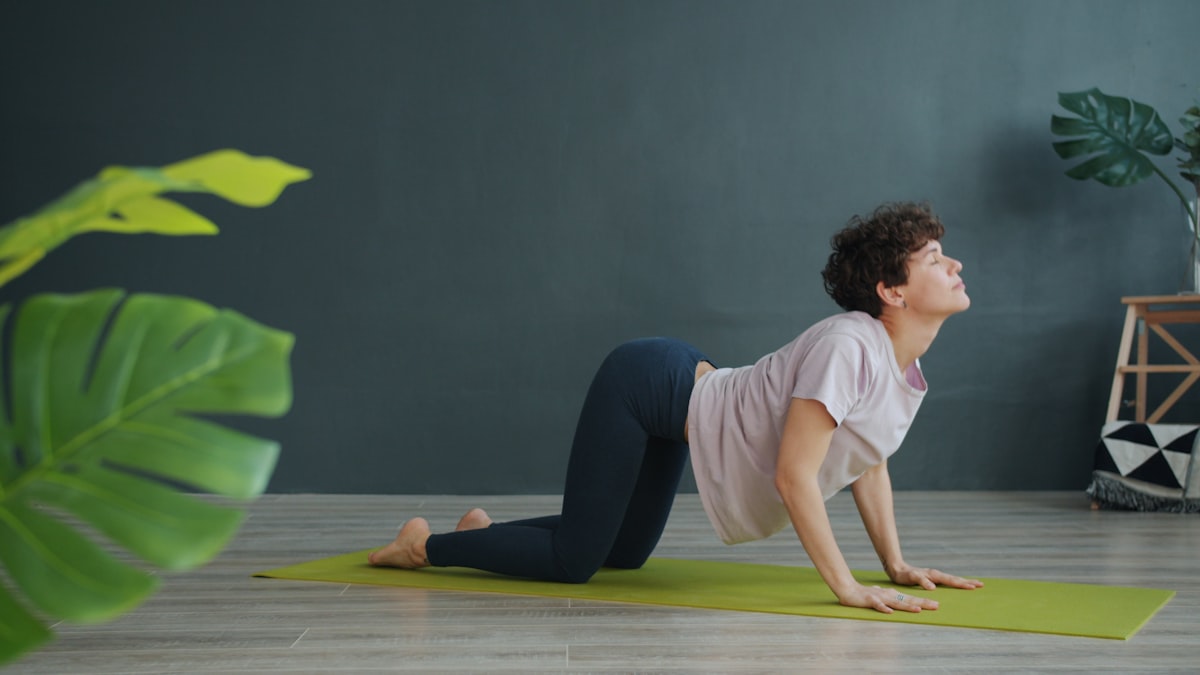
Cat-Cow Pose (Marjaryasana-Bitilasana)
This gentle flowing sequence mobilises your entire spine, warming up the muscles and joints. The alternating spinal flexion and extension helps release tension and improve circulation to support healthy vertebral function.
Learn Details →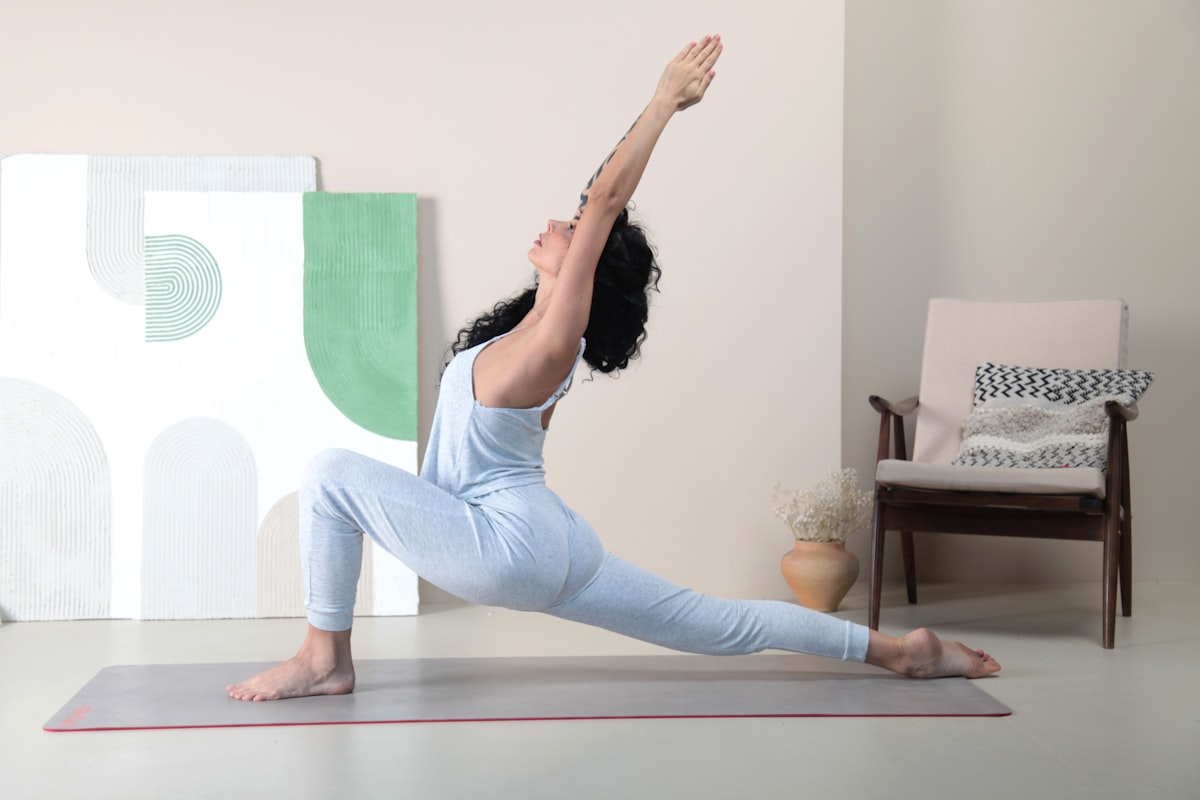
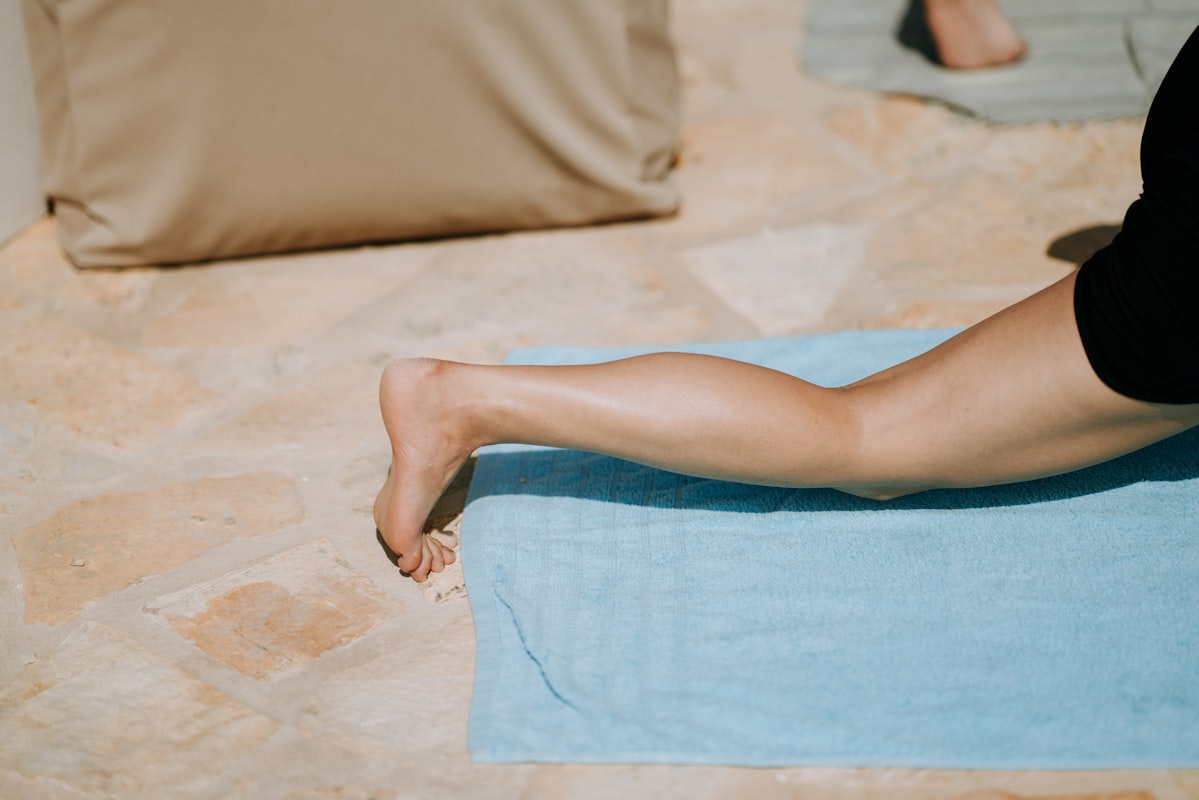
Child's Pose (Balasana)
A restorative pose that gently stretches the lower back, hips, and shoulders. This forward fold encourages relaxation and is ideal for releasing accumulated tension. Regular practice can help reduce spinal stress and promote a sense of calm.
Learn Details →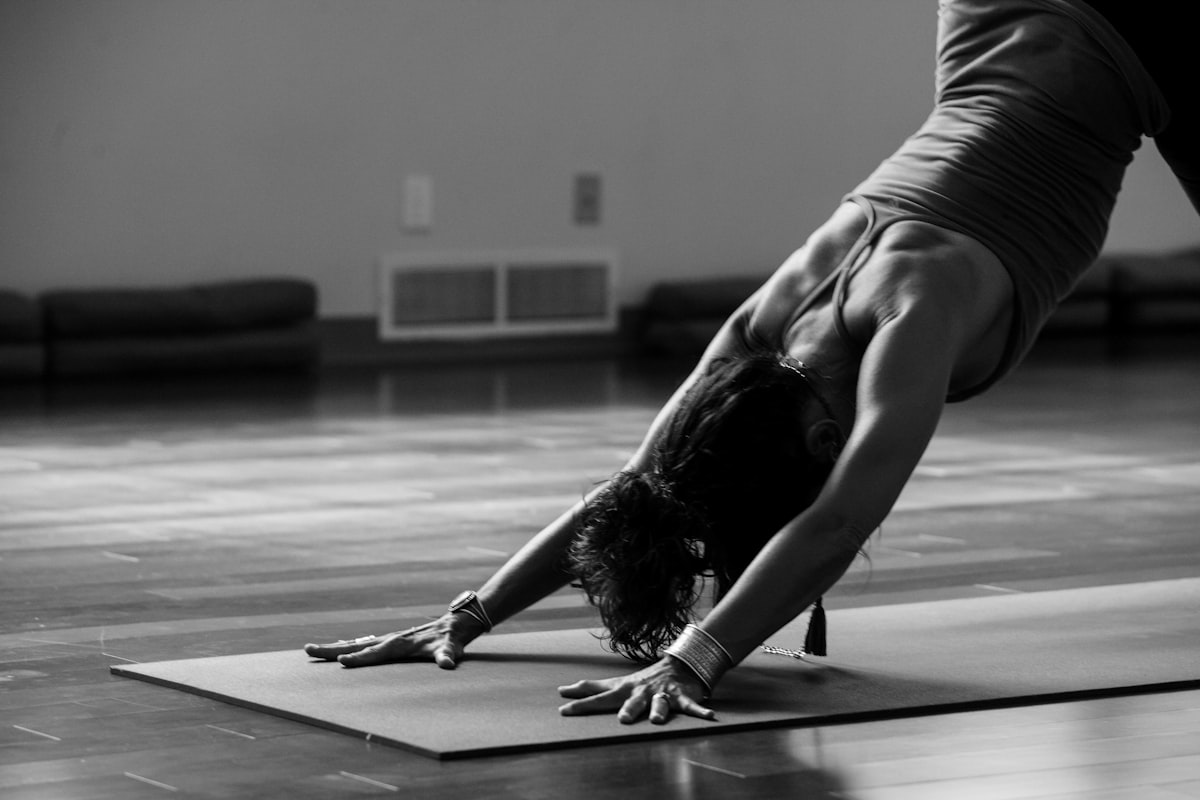
Downward-Facing Dog (Adho Mukha Svanasana)
This fundamental pose stretches the hamstrings, calves, and spine while gently inverting the head. It builds strength in the shoulders and arms, which helps support proper posture and reduces compensatory strain on your back.
Learn Details →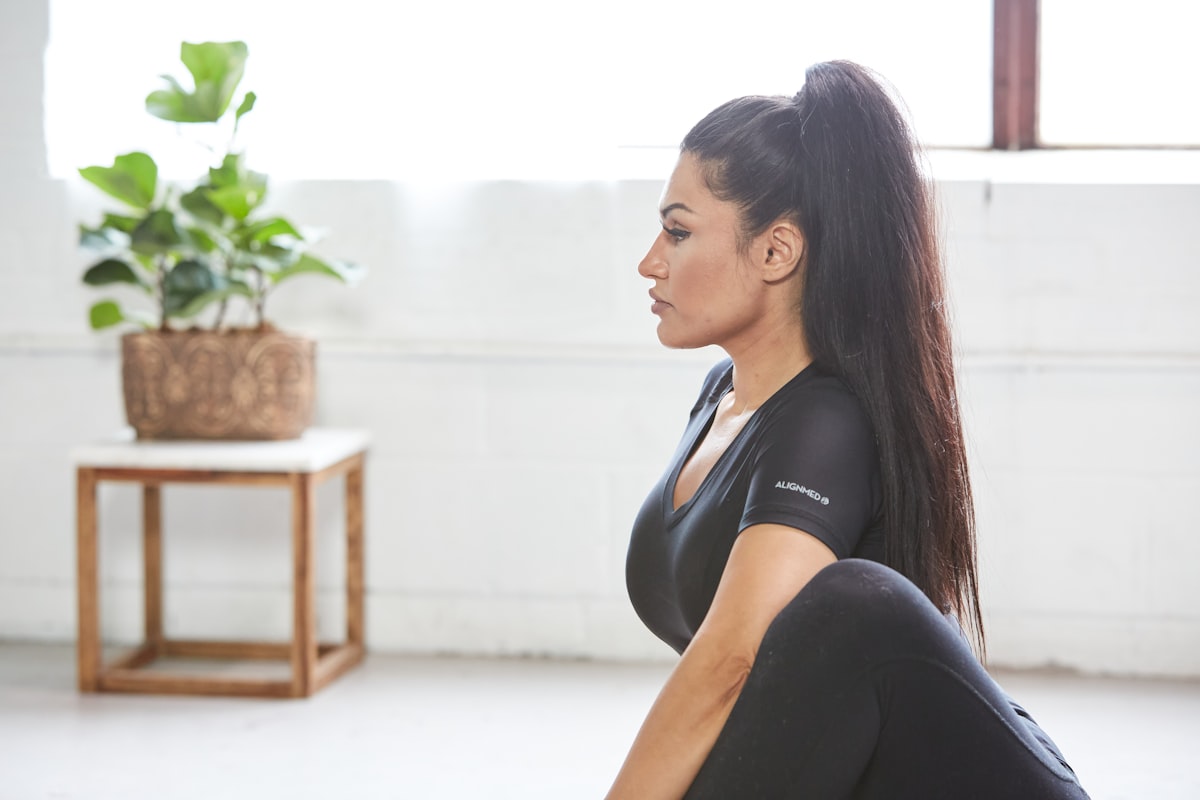
Cobra Pose (Bhujangasana)
A gentle backbend that strengthens the spinal extensors and opens the chest. This pose helps counteract forward-rounded posture from desk work and encourages a healthy spinal curve alignment.
Learn Details →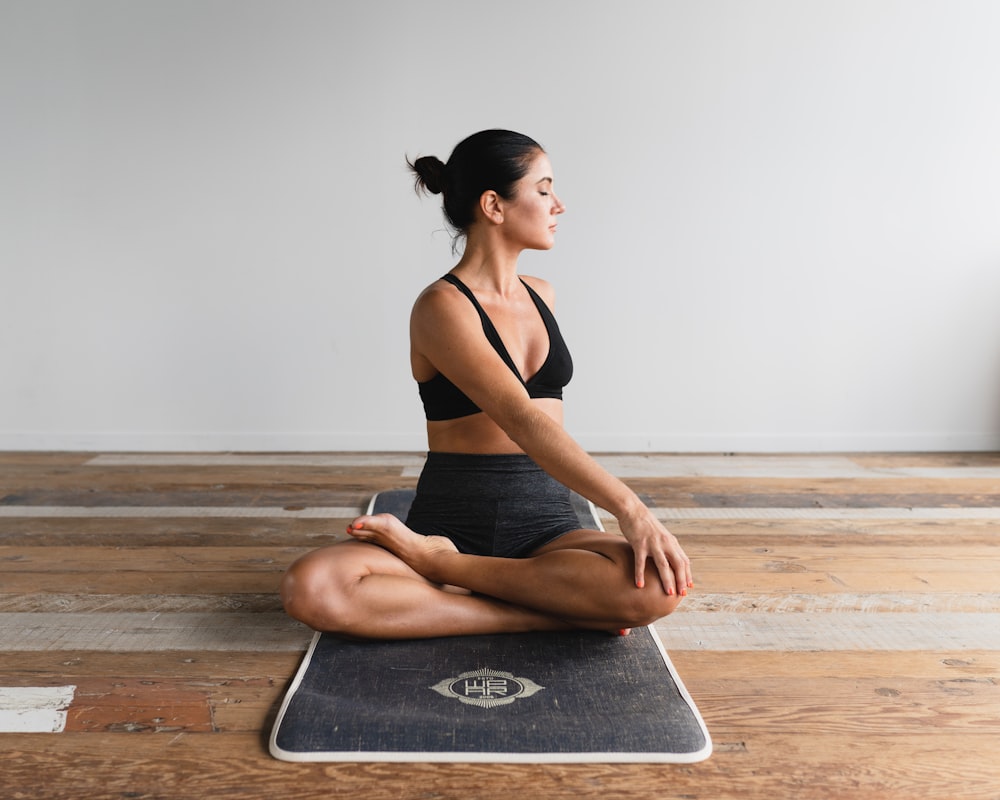
Bridge Pose (Setu Bandhasana)
A powerful strengthening pose that activates the gluteal and hamstring muscles, which support lower back stability. Practising this pose builds strength in the posterior chain and reduces excessive lumbar curve strain.
Learn Details →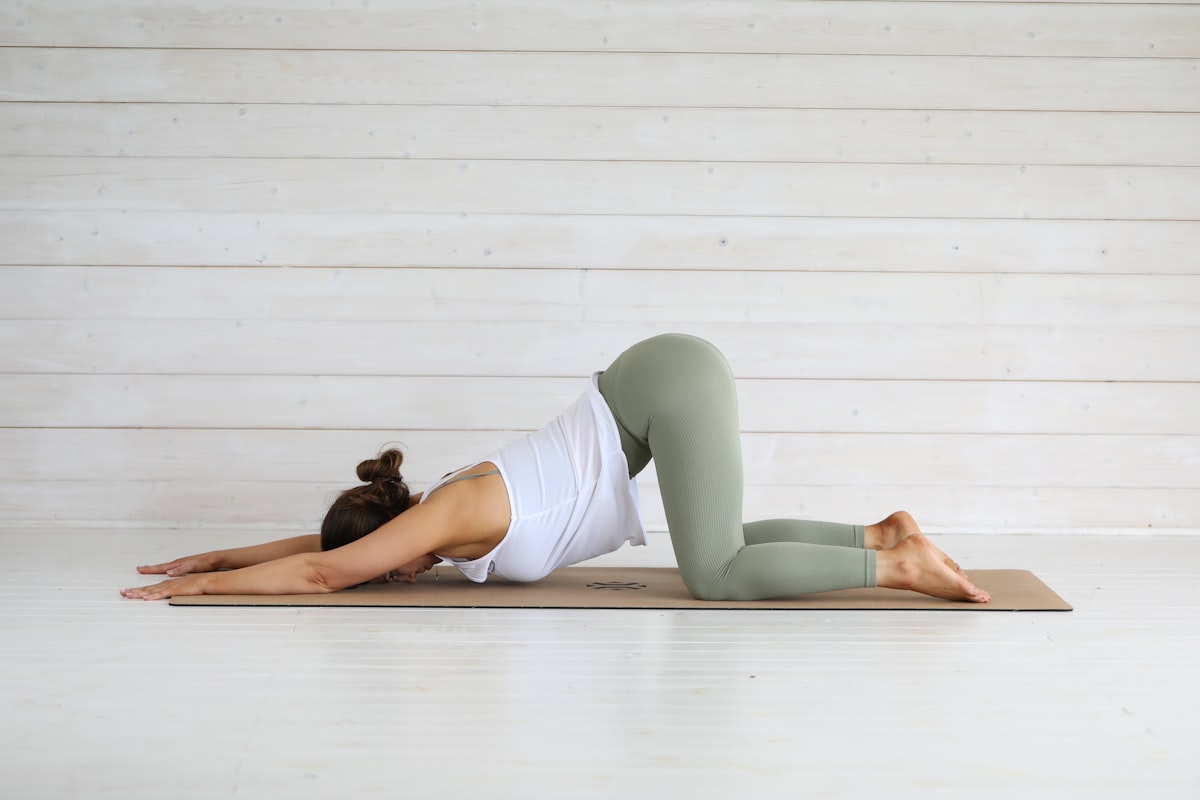
Supine Spinal Twist (Supta Parivrtta Sukhasana)
This gentle twist releases tension in the lower back and mid-spine while promoting spinal mobility. Twists help decompress the intervertebral discs and can provide welcome relief from accumulated tension and stiffness.
Learn Details →Your 7-Day Back Support Journey
Day 1: Learn the Foundations
Begin by understanding spinal anatomy and the principles of safe yoga practice. Read our foundational articles to learn proper alignment cues and how to modify poses for your body. This knowledge sets the stage for sustainable practice.
Days 2–4: Gentle Warm-Up Sequence
Practise a simple sequence featuring Cat-Cow, Child's Pose, and gentle stretches. Spend 10–15 minutes daily focusing on smooth, mindful movement. Notice how your body responds and adjust your practice according to what feels right for you.
Days 5–6: Add Strengthening Work
Introduce Bridge Pose, modified Cobra, and core-engagement sequences. These poses build the muscle support your spine needs. Continue for 15–20 minutes, maintaining proper breathing and form. Your stability and confidence should begin to increase.
Day 7: Complete Practice & Reflection
Combine all elements into a balanced 20–30 minute session: warm-up, strengthening, stretching, and relaxation. Reflect on how your body feels, note any improvements in flexibility or comfort, and consider developing a sustainable long-term practice based on what you've learned.
Real Stories from Our Community
"I've struggled with lower back stiffness for years from office work. After following the guides on this site, I started practising Bridge Pose and gentle twists daily. Within two weeks, I noticed I could sit for longer without discomfort. The clear explanations about alignment have made such a difference in how I approach movement now. I'm actually enjoying yoga instead of dreading it."
Sarah Mitchell
London, United Kingdom
"The 7-day journey structure was perfect for me. It didn't feel overwhelming—just simple, progressive steps. I love that every pose is explained in detail with modifications. My posture has visibly improved, and my partner even commented on how I'm standing straighter. This resource has become part of my daily wellness routine. *Individual results may vary."
James Richardson
Manchester, United Kingdom
Common Questions About Yoga for Back Health
Yoga can be very supportive, but it's essential to practise with awareness and proper modification. Always listen to your body and avoid pushing into pain. Start with gentle poses, focus on alignment, and consider consulting with a healthcare professional or qualified yoga instructor before beginning if you have significant discomfort. The articles and pose guides on our site emphasise modifications for different levels.
Consistency is more valuable than intensity. Practising 10–20 minutes daily is more beneficial than a single long session per week. The 7-day journey provides a good starting framework. Many people find that integrating a few key poses into their daily routine—such as Cat-Cow in the morning and gentle twists before bed—helps maintain spinal health. Adjust frequency based on your schedule and how your body feels.
Our guides are designed for all experience levels, with detailed alignment instructions and modifications. We recommend starting with the foundational information to understand spinal anatomy and alignment principles. Begin with gentler poses like Child's Pose and Cat-Cow before progressing to strengthening work. Take your time, move mindfully, and don't hesitate to skip or modify any pose that doesn't feel right for your body.
No special equipment is required to start. A yoga mat or any padded surface provides comfort. Some people find yoga blocks, straps, or cushions helpful for support and modifications, but these are optional. The poses described on our site can be adapted to work with or without props. Focus on learning proper alignment first—equipment is simply a tool to enhance your practice, not a requirement.
Many people report increased body awareness and improved flexibility within a few days of consistent practice. More noticeable changes in spinal alignment, posture, and overall comfort often develop over 2–4 weeks of regular practice. Remember, yoga is a gradual process. Muscle strengthening and postural changes take time, but patience and consistency yield lasting results. Pay attention to subtle improvements like easier movement or better sleep quality.
Stay Informed on Back Health & Yoga
Subscribe to our editorial updates and receive insights on yoga practices, spinal wellness tips, and featured articles delivered to your inbox.
We respect your privacy and send content updates only. Unsubscribe anytime.
Start Your Back Support Practice Today
Explore our comprehensive pose guides, learn proper alignment, and discover how consistent yoga practice can support your spinal health and overall wellbeing.
For content questions or feedback, contact us at [email protected] or visit our office at King Street 28, Birmingham.